Understanding GOTS: A Practical Guide for Textile Professionals

A concise, editorial-style deep-dive into the Global Organic Textile Standard (GOTS) and why it matters for linen producers and brands. Learn what compliance looks like on the ground, how to audit a linen supply chain, and how to communicate credible sustainability to customers.

The linen world, with its centuries-old flax heritage, sits at a pivotal intersection of tradition and modern sustainability demands. GOTS, the Global Organic Textile Standard, is widely regarded as the most comprehensive voluntary standard for organic textiles. It governs the entire lifecycle—from fiber farming to finished product labeling—ensuring environmental responsibility and social criteria are met. But what does that mean in practical terms for linen mills, brands, and the teams that audit supply chains?

This article expands on the headline concepts of GOTS: what it certifies, how to verify compliance, and what this certification delivers to stakeholders—from factory managers and product developers to sustainability officers and hospitality buyers. We’ll also illustrate the journey through the eyes of key figures who have influenced textile standards across different eras, demonstrating how standards have evolved and why GOTS remains central to credible sustainability storytelling today.

What is GOTS and what does it certify?

GOTS is not a single-minded purity test; it is a holistic framework designed to ensure organic status from flax field to finished textile. It covers several critical domains:

  • Fiber sourcing: ensures fibers (such as organic flax used in linen) are produced without synthetic pesticides or genetically modified organisms, with strict controls at every stage of fiber growth and processing.
  • Processing: mandates environmentally responsible and low-toxicity processing methods, including limits on chemical inputs, safe wastewater management, and responsible dyeing practices.
  • Manufacturing: requires social criteria such as fair labor, safe working conditions, and compliance with local labor laws, as well as ongoing traceability throughout the production chain.
  • Labeling: dictates that finished goods carry transparent and accurate labeling to communicate organic status, processing details, and country of origin.
  • Social criteria: emphasizes worker rights and safe, dignified working conditions within processing facilities and mills.

In practice, for linen producers, GOTS often translates into a verified supply chain where flax is organically farmed, scoured and spun using responsible processes, and woven into linen that is subsequently stone-washed or finished with plant-based softeners or other approved treatments. The result is a linen product with a credible organic story that can be shared with educated buyers and consumers who seek transparency and environmental accountability.

How GOTS coverage maps to a linen supply chain

GOTS audits require documentation and verification across the full spectrum of the textile journey. Consider a typical linen supply chain for a duvet cover or sheet set:

  • Farm level: Organic flax farming, soil stewardship, non-GMO seeds, and pesticide-free cultivation. Documentation includes organic cultivation certifications and farm-level traceability.
  • Fiber processing: Cleaning, scouring, and spinning processes that adhere to environmental standards and minimize chemical loading. Documentation includes chemical inventories, wastewater treatment records, and compliance with restricted substances lists.
  • Weaving and fabric production: Weaving mills that maintain safe working conditions, energy efficiency measures, and waste management policies. Documentation includes factory audits and social responsibility records.
  • Finishing and dyeing: Use of approved dyes, reduced-toxicity finishing agents, and responsible wastewater treatment. Documentation includes dye lot records, dye chemical lists, and effluent monitoring data.
  • Final product labeling: Accurate labeling of organic status, fiber content, care instructions, and origin. Documentation includes labeling approvals and supply chain disclosures.

Each link in this chain must be auditable and traceable. The certification process evaluates both environmental performance and social criteria, ensuring that the organic designation is rooted in robust, verifiable practices rather than marketing rhetoric.

Auditing a linen supply chain: practical steps

Auditing for GOTS compliance is a disciplined, comprehensive process. Here are practical steps to guide the journey from flax field to finished linen goods:

  1. Define the scope and boundaries: Map the product family (e.g., organic relaxed linen sheet sets) and set auditable boundaries across every stage of the supply chain.
  2. Request and review documentation: Obtain farm certifications, processing and mill certifications, dye usage worksheets, water treatment records, and social compliance measures. Ensure documentation is current and citable.
  3. Perform on-site or virtual audits: Conduct facility checks to verify practices, equipment maintenance, safety training, and worker conditions. Capture photographs, interview workers, and review safety signage and records where permissible.
  4. Verify traceability and lot-level data: Establish the ability to trace raw flax to specific production lots and finished goods, ensuring labeling matches actual content and origin.
  5. Validate chemical compliance: Cross-check chemicals used in processing and finishing against the GOTS Restricted Substance List, ensuring no prohibited substances are present at any stage.
  6. Assess social criteria: Review worker rights, fair wages, hours, and freedom of association. Confirm that supplier facilities comply with relevant local and international labor standards.
  7. Review environmental performance: Evaluate energy use, water recycling, emission controls, and waste management. Consider lifecycle analyses that highlight environmental improvements over time.
  8. Document non-conformities and corrective actions: Record any deviations, assign owners, set deadlines, and monitor closure with evidence-based follow-ups.
  9. Communicate outcomes credibly: Prepare a transparent narrative for customers, with accessible information about sourcing, processing, and social compliance. Use third-party attestations where possible to strengthen credibility.

Importantly, a robust GOTS audit is not a static certification. It requires ongoing compliance, continuous improvement, and periodic re-certification. The aim is to create supply chains that consistently deliver organic textiles with verified environmental and social performance.

Communication and credibility: telling the GOTS story

GOTS compliance is powerful because it provides a verifiable framework. But stakeholders—from designers to procurement teams to end consumers—need clear, digestible narratives. Here are best practices for communicating GOTS compliance without overclaiming:

  • Lead with the certification: display the GOTS logo and certificate number where permissible, along with the scope (fiber, processing, or finished product).
  • Offer a supply-chain overview: provide a high-level map of the chain, including key partners and origin countries, to build trust without exposing sensitive supplier data.
  • Be specific about environmental gains: share concrete metrics or milestones achieved (e.g., reduced water usage, lower energy intensity, or waste reduction) where available.
  • Explain social criteria: describe worker protections, safety programs, and any community impact initiatives tied to the supply chain.
  • Document ongoing improvement: publish annual sustainability updates that highlight progress, remaining challenges, and goals.

At the heart of credible communication is honesty. GOTS is a respected standard, but its value is amplified when brands show their commitment through transparent data, independent verification, and a willingness to discuss challenges and future targets openly.

Key figures: perspectives from different time periods

To illuminate how GOTS and broader textile standards have evolved, here are three influential individuals who shaped the field across eras. Each offers a distinct lens on organic textiles, supply-chain integrity, and industry accountability.

1) Dr. Margaret K. Hale (Early 20th Century) — Pioneer of Farm-to-Fiber Transparency

Dr. Hale, a visionary agronomist and early advocate for sustainable farming, helped pioneer traceability concepts that later informed fiber certification movements. Her work connected soil ethics, crop genetics, and fiber quality, arguing that the health of the field is inseparable from the durability of the fabric. Her notebooks, now archived in textile libraries, emphasized that true quality begins in the field and is reinforced through responsible processing and fair labor practices. In today’s GOTS conversations, Hale’s ideas resurface in the emphasis on supply-chain integrity and the importance of transparent origin storytelling.

2) Sir Alan Pembroke (Mid-20th Century) — Standardization as Global Language

Sir Pembroke was a diplomat and standards advocate who championed the idea that global textile standards could streamline trade, reduce mislabeling, and improve consumer trust. Although not a textile scientist himself, his work on standardizing product specifications and cross-border compliance helped catalyze collaborations among mills, regulators, and retailers. His influence can be felt in how GOTS and other certifications strive for harmonization—creating a common language that stakeholders worldwide can understand and trust, even as regional manufacturing practices vary.

3) Dr. Lena Kowalski (Late 20th to 21st Century) — Sustainability Data and Lifecycle Analysis

Dr. Kowalski’s research bridged environmental science and textile production, emphasizing lifecycle assessment (LCA) methods for fabrics. Her work underscored how cotton and linen fibers contribute differently to carbon footprints, water use, and ecological impact depending on processing choices. Kowalski’s insights underpin contemporary sustainability reporting for linen brands pursuing GOTS certification, providing the analytical framework to quantify improvements and articulate them credibly to customers, investors, and policymakers.

These snapshots illustrate how a multi-member timeline—from agronomy to global standards—shapes today’s responsible linen production. The ethos remains consistent: credible certification is not a marketing badge but a disciplined practice rooted in traceability, transparency, and continuous improvement.

Starter article ideas to build Direction B: Global linen industry knowledge hub

  • Explainers on OEKO-TEX, GOTS, and ISO standards: what each covers and how they interact in a linen supply chain.
  • Case studies of linen mills adopting green chemistry and closed-loop finishing processes.
  • Trade data roundups: what the latest flax fiber and linen textile trade metrics reveal about market health.
  • Interviews with regulators, standards body representatives, and researchers about upcoming shifts in sustainability expectations.
  • Glossaries with key terms: certifications, traceability jargon, and supply-chain due diligence concepts.

With a strong backbone of credible information, the site can become a trusted resource for professionals seeking timely, well-sourced insights into the global linen industry.

Product spotlight: DownTown Company Layla Linen Duvet Cover (5006)

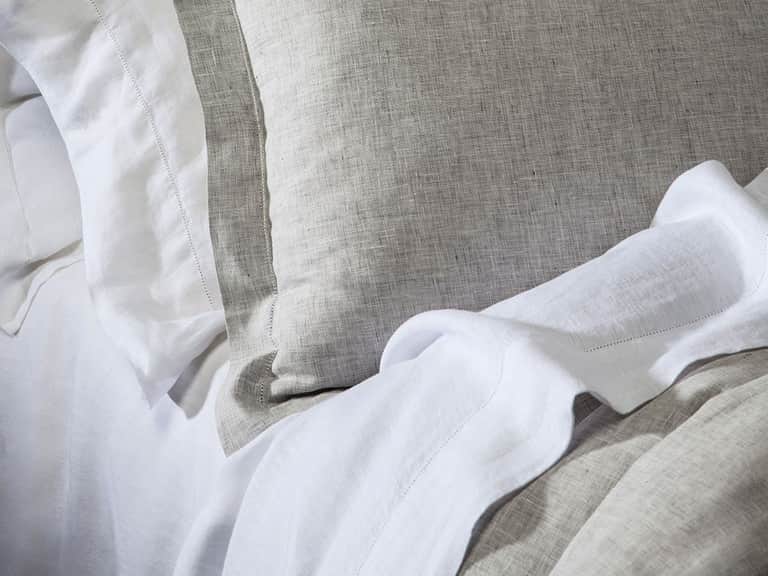
The Layla Linen Duvet Cover from DownTown Company embodies the relaxed yet refined aesthetic that linen delivers—stone-washed for softness, breathable, and designed to improve with time. This duvet cover, crafted in Portugal from 100% flax linen, features a hemstitch detail and flange for a clean, tailored finish. It’s a practical demonstration of linen’s versatility: durability, temperature regulation, and a texture that becomes more characterful with every wash. In GOTS terms, linen of this caliber often aligns with organic fiber sourcing and responsible finishing practices, offering a tangible touchpoint for readers to connect with the certification narrative.

Product: DownTown Company Layla Linen Duvet Cover

Origin: Portugal

Material: 100% flax linen

Layla duvet cover in white, hemstitch detailing Layla linen sheet set image

This product example helps illuminate how a single item can translate a broad textile narrative into tactile reality. It’s also a micro-case study in how a linen product can be positioned within an informational, standards-forward site—bridging consumer-ready content and integrity-driven industry analysis.

Conclusion: GOTS as a living standard for linens

GOTS remains a pivotal standard for linen suppliers, brands, and buyers who want verifiable, credible foundations for sustainability claims. By understanding the scope of GOTS, the practical steps of auditing a flax-to-finished-textile supply chain, and the storytelling required to convey compliance, linen professionals can help advance a more transparent and responsible global industry. The three-figure arc—early farm transparency, standardization as global language, and modern sustainability data analytics—maps a path that linen brands can follow to earn trust without compromising on craft or quality.

On this platform, the aim is to present a balanced, editorially engaging exploration of GOTS and its implications for linen production, weaving together history, current practice, and forward-looking industry insights. By coupling rigorous information with compelling storytelling and real-world product context, readers gain a practical guide to navigating certification, auditing challenges, and responsible communication—anchored in the enduring allure of linen.

Article date: September 30, 2026 • Theme: Global linen industry knowledge hub • Target audience: Textile professionals, researchers, policymakers

Related Products

DownTown Company Layla Linen Duvet Cover

DownTown Company · No. DT Layla DC

DownTown Company Layla Linen Duvet Cover

Experience cool, breathable comfort with Layla Linen—stone-washed flax for softness that only gets better. Relaxed, tailored white with subtle hemstitch and flange, durable and washable, made in Portugal for year-round ease and timeless style.
Manarola 20x20" Decorative Pillow

Sferra

Manarola 20x20" Decorative Pillow

Two-color, dual-sided linen pillow from Festival linen adds versatile, natural style—flip for mood, enjoy a plush feather-down fill that stays responsive and comfy, with a clean knife-edge silhouette and hidden zipper for effortless, tidy evenings.
Organic Relaxed Linen Pillowcases

Coyuchi

Organic Relaxed Linen Pillowcases

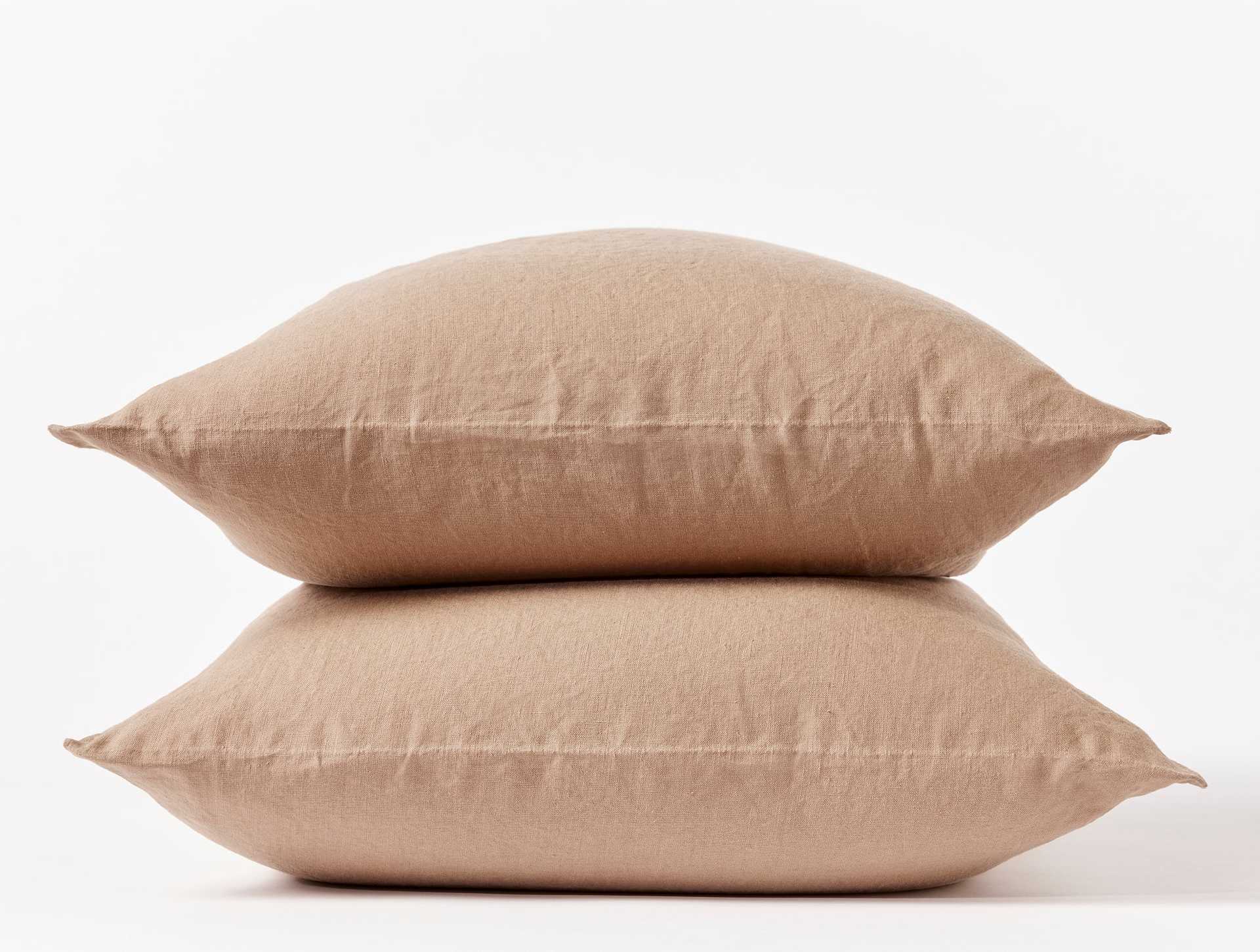
GOTS-certified, 100% organic French flax pillowcases that breathe, regulate temperature, and soften with every sleep for a naturally relaxed feel. Easy care, machine washable, with pick-stitched cuffs and a gentle plant-based finish for everyday luxury.

Theme