Duvets represent a cornerstone of comfortable sleep environments, offering a lightweight insulating layer and a cohesive aesthetic for bedroom textiles. In this category, materials range from cotton and linen to down-alternative fills, with attention to thread counts, weave types, and warmth ratings. Understanding these features helps align bedding choices with climate, maintenance, and personal comfort preferences.
Key considerations for duvet selections include fill power, fabric durability, and care requirements. Organic linen duvets, for example, emphasize breathability and moisture management, while cotton blends may offer enhanced softness. Equally important are closure mechanisms and corner ties that secure the insert, ensuring a neat, uncluttered appearance throughout seasonal changes.
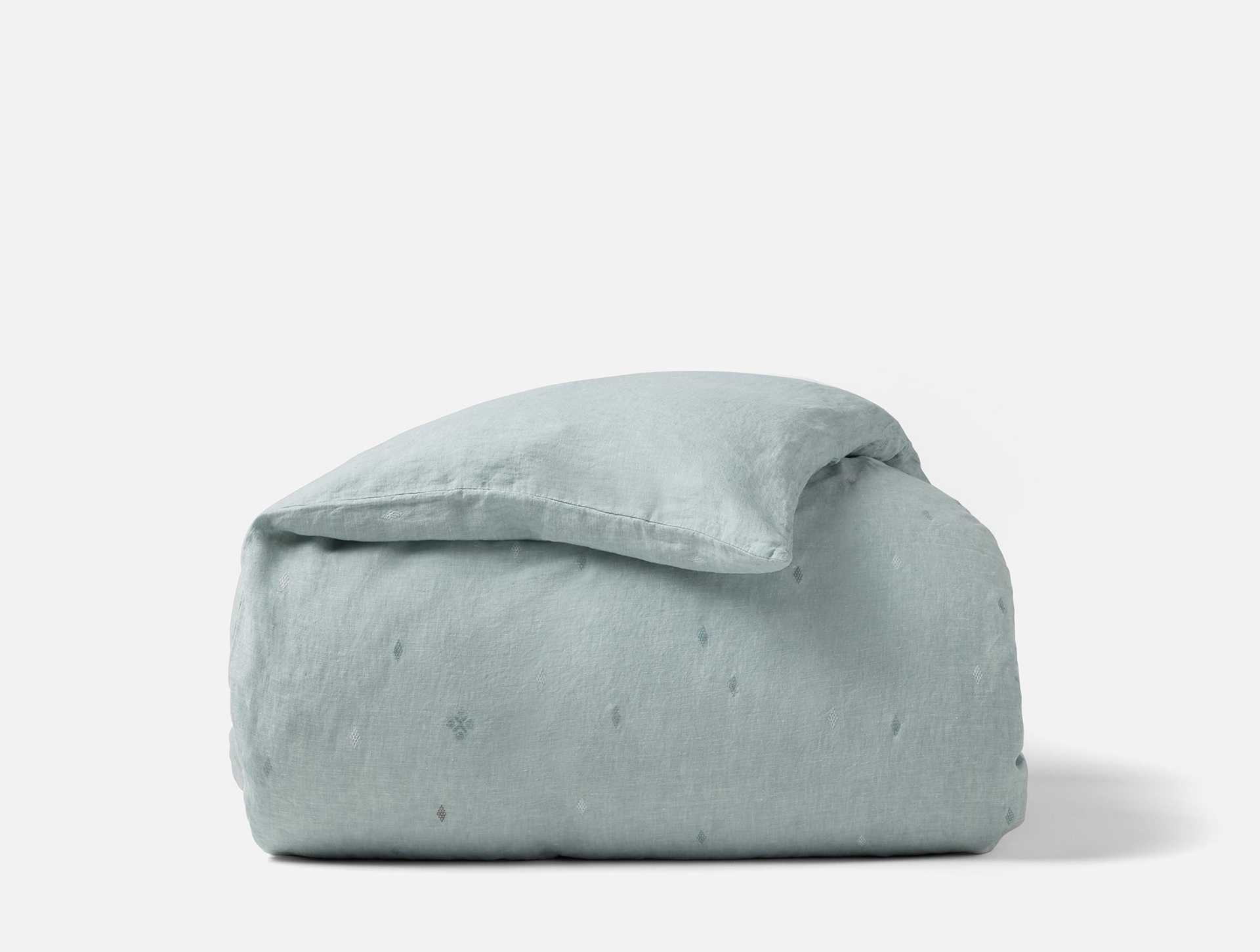
Within this category, the Cambria Embroidered Organic Linen Duvet Cover illustrates how textile detailing can influence both texture and longevity. The organic linen composition promotes temperature regulation and a natural drape, while embroidery adds subtle visual interest. Functional benefits include easy laundering, reduced pilling, and sustained colorfastness after repeated washes.
Bedding terminology such as duvet covers, duvet inserts, and cover sets interact to define a complete sleep-ready system. Selecting a duvet cover like an organic linen option can protect inserts, extend lifespan, and simplify color coordination in a bedroom’s design scheme. Consider dimensions, closure style, and compatibility with existing duvet measurements for a precise fit.
In addition to material and construction, consumer-focused keywords such as bedding, sheets, napkins, and linen textiles reflect the broader context of home textiles. Duvets made from natural fibers tend to offer improved airflow and comfort, aligning with sustainable practices while supporting practical care routines and consistent interior aesthetics.
 Bedding